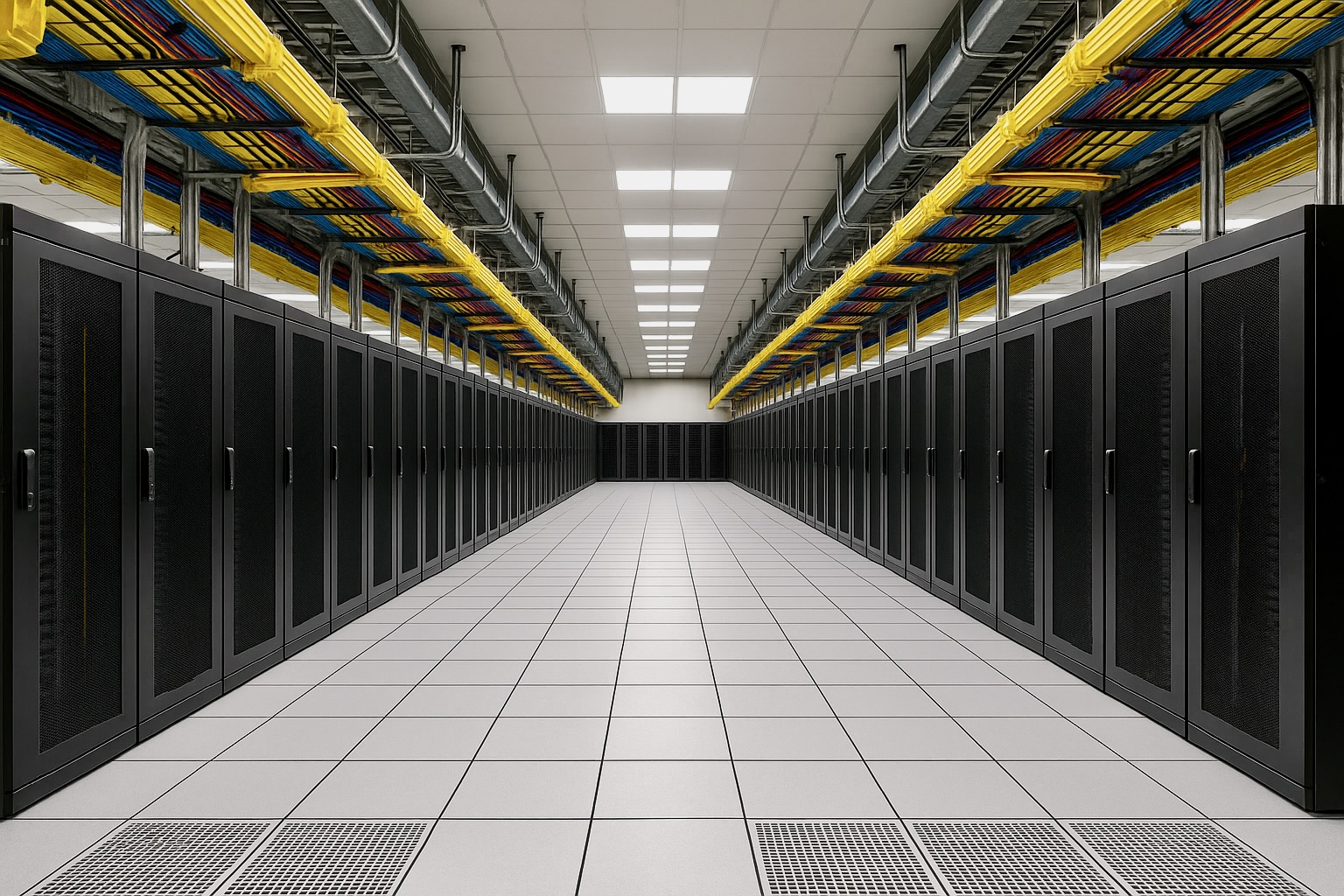
🏗️ Introduction: The Real Impact of Data Centre Tiers
When I first started in the data centre industry 20 years ago, I didn’t give much thought to “Tiers.” But as I moved through roles and facilities, I learned that understanding the difference between a Tier III and a Tier IV data centre is critical—not just for designers or architects, but for everyday engineers like us who work on the ground.
In Australia, where climate extremes and geographic isolation pose unique challenges, choosing the right Tier can have a major impact on availability and resilience.
⚙️ What Are Data Centre Tiers?
The Uptime Institute’s Tier Standard classifies data centres from Tier I to Tier IV, based on expected uptime, redundancy, and fault tolerance.
Here’s a quick overview:
| Tier | Uptime | Redundancy | Target Users |
|---|---|---|---|
| I | 99.671% | No redundancy | Small business |
| II | 99.741% | Partial redundancy | SMEs |
| III | 99.982% | N+1 redundancy | Enterprise-level |
| IV | 99.995% | 2N or 2N+1 redundancy | Mission-critical |
🔍 Tier III vs Tier IV: Key Differences
🛡️ 1. Redundancy & Fault Tolerance
- Tier III: N+1 redundancy. One backup for each critical component.
- Tier IV: 2N (fully mirrored) systems, allowing true fault tolerance.
🧠 Engineer’s View: In Tier III, maintenance often requires manual coordination to avoid downtime. Tier IV systems allow concurrent maintenance with no impact.
🔌 2. Power Infrastructure
- Tier III: Single path for power with backup.
- Tier IV: Dual active paths, both always on and monitored.
🔧 Hands-on Tip: In Tier IV, switching power feeds during maintenance is seamless, reducing human error risk.
🌡️ 3. Cooling
- Tier IV designs often implement dual active cooling loops, including separate CRACs, chilled water loops, and BMS segmentation.
🧰 In Practice: I’ve seen Tier IV facilities in Australia use hot/cold aisle containment with auto-failover systems—one loop failing doesn’t impact operations.
🧾 4. Cost & Operational Complexity
- Tier IV facilities can cost 40–60% more to build and maintain than Tier III.
- More layers of documentation, stricter change control, and higher staffing requirements.
💬 Reality Check: If your facility handles healthcare, financial systems, or national infrastructure, Tier IV’s investment is often justified.
🇦🇺 What This Means for Australian Data Centres
Australia’s remote geography, harsh climate zones, and limited connectivity to cloud hyperscalers make higher-tier facilities more relevant than ever.
- The Sydney metro is seeing growth in Tier III+ deployments for enterprise colocation.
- In regional areas, Tier III is more common, with generator and cooling upgrades to bridge gaps.
👨🔧 Engineer’s Takeaway: Which One Should You Aim For?
Whether you’re designing, maintaining, or managing a site, here’s how to position yourself:
✅ Working in Tier III?
– Master planned maintenance
– Learn how to execute failovers safely
– Stay sharp on load balancing and PDU design
✅ Aiming for Tier IV roles?
– Get skilled in automated systems, SCADA, and live redundancy protocols
– Think in “layers of failure” and mitigation strategies
– Contribute to risk assessments and MOP development
📈 The Future: Tier Blurring with Modular & Edge Deployments
Interestingly, the rise of modular data centres and edge sites is reshaping the traditional Tier model. We’re now seeing hybrid designs with Tier III resilience using Tier IV-like fault tolerance—especially in mining, defense, and telecom.
🔚 Final Thoughts
Understanding Tier III vs Tier IV isn’t just about specs—it’s about how you as an engineer support uptime, scalability, and risk management. Your role becomes more strategic as tiers rise.
Whether you’re climbing the engineering ladder or managing operational teams, knowing the difference is no longer optional—it’s a core part of the job.